01
IES (VE) Energy Modelling
We use IES Virtual Environment modelling software to analyse building energy performance and provide technical inputs that support efficient building design.
Make informed building design decisions through advanced energy modelling and performance analysis.
Positive Eco uses IES (VE) modelling software to evaluate and optimise building design. From the early concept stage through to monitoring, we provide analytical insights that help improve efficiency and reduce building energy consumption.
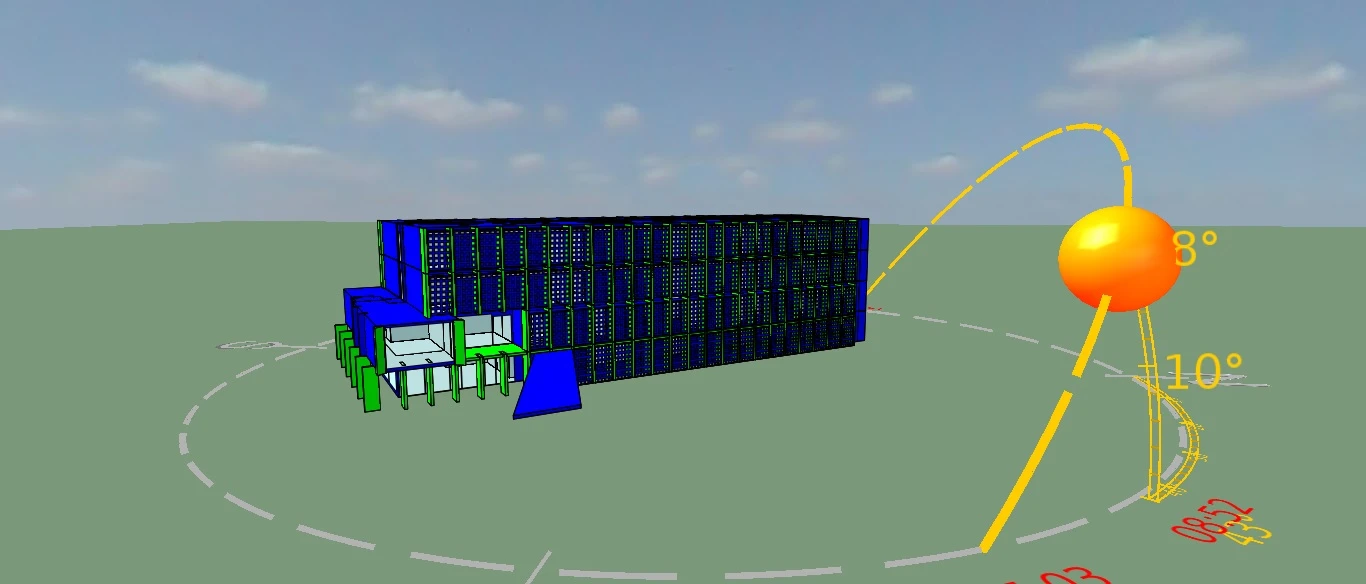
Our energy modelling and analysis services help project teams evaluate building performance, explore design improvements and make informed decisions to reduce energy consumption.
We use IES Virtual Environment modelling software to analyse building energy performance and provide technical inputs that support efficient building design.
Our modelling experience helps identify opportunities to optimise building design and improve energy efficiency while supporting reduced energy consumption.
We use analytical methods throughout the assessment process to provide evidence-based inputs and help project teams understand the energy implications of design decisions.
From the initial concept stage through to monitoring, we provide energy modelling assistance and analytical guidance throughout the building project lifecycle.
Energy modelling is most valuable when considered early in the design process. Our analytical approach helps project teams make informed decisions at each stage of building development.
Evaluate building design concepts early to identify opportunities for improved energy efficiency and establish a direction for further analysis.
Use IES (VE) software to model building performance and assess the potential energy implications of different design decisions.
Apply analytical findings to support design improvements, optimise building performance and identify opportunities to reduce energy consumption.
Continue supporting the project with analytical guidance through later development and monitoring stages.
Why start early? Conducting energy modelling during the initial concept design stage helps guide the project towards more efficient building design decisions.
Everything you need to know about Section J compliance, NABERS energy modelling and daylight simulation for commercial buildings.
A Section J report assesses the applicable energy efficiency requirements under the National Construction Code (NCC).
Our assessment covers the relevant provisions of Part J4 (Building Fabric) and Part J5 (Building Sealing), helping demonstrate compliance with the applicable requirements.
NABERS energy modelling involves analysing the design of commercial buildings to estimate their annual energy consumption, including heating and cooling requirements.
Specialised energy simulation software is used to calculate predicted energy consumption based on building design, operational schedules and usage patterns.
For NABERS purposes, the assessment follows specific behavioural and operational assumptions prescribed for the relevant rating methodology.
The estimated energy consumption is then compared against established benchmarks to determine a predicted NABERS star rating.
Radiance and IES Virtual Environment (IES VE) are recognised software tools used for daylight simulation and building performance analysis.
These tools help evaluate natural daylight availability, building orientation, glazing performance and indoor daylight conditions.
The most suitable software depends on the project's design, simulation requirements and assessment objectives.
Whether you're at the early concept stage or refining an existing building design, Positive Eco can help you understand energy performance through IES (VE) modelling and analytical assessment.
Get specialist guidance to optimise your building design, identify efficiency opportunities and work towards reduced energy consumption.
Explore our commercial building portfolio, featuring energy efficiency assessments, modelling and sustainable building projects.
Explore our portfolio of commercial building projects, highlighting our experience in energy efficiency, building performance modelling and sustainability assessments.